




The Future of 3D Printing: Smarter, Faster, and More Material Options
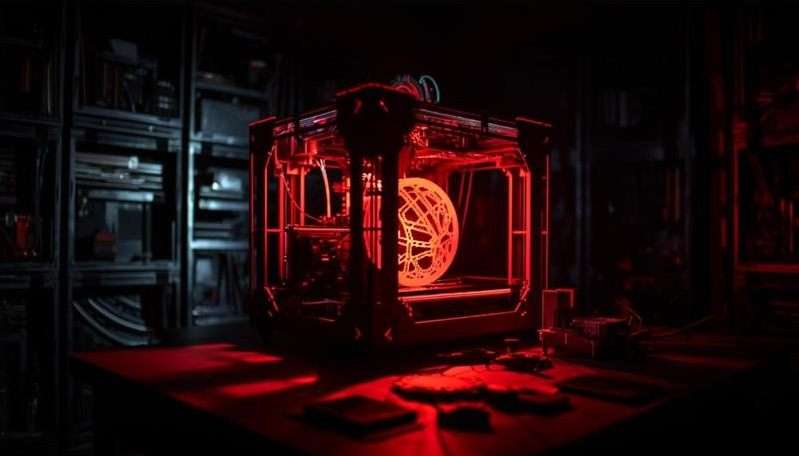
3D printing has advanced far beyond simple plastic prototyping. Today, industrial additive manufacturing supports an incredible range of materials including metal, resin, composites, and even bio-compatible materials used in medical applications. As the technology continues advancing, the future of 3D printing is focused on three major developments: speed, intelligence, and material diversity.
Next-generation machines are becoming faster with optimized curing processes, improved hardware, and software-driven motion systems. AI-assisted slicing and print optimization are allowing machines to make smarter decisions during printing, reducing failure rates and improving quality automatically.
Material research is also accelerating. Stronger, heat-resistant, and more flexible resins are enabling production of functional parts that can be used in real-world industrial environments. These developments mean 3D printers are no longer limited to prototypes — they are now delivering end-use components.
Whether producing medical devices, industrial tools, custom machine parts, or consumer products, the expanding capabilities of professional 3D printers are setting the stage for a manufacturing revolution. Companies that adopt the technology now will be the ones leading innovation in the years ahead.